Location and extent
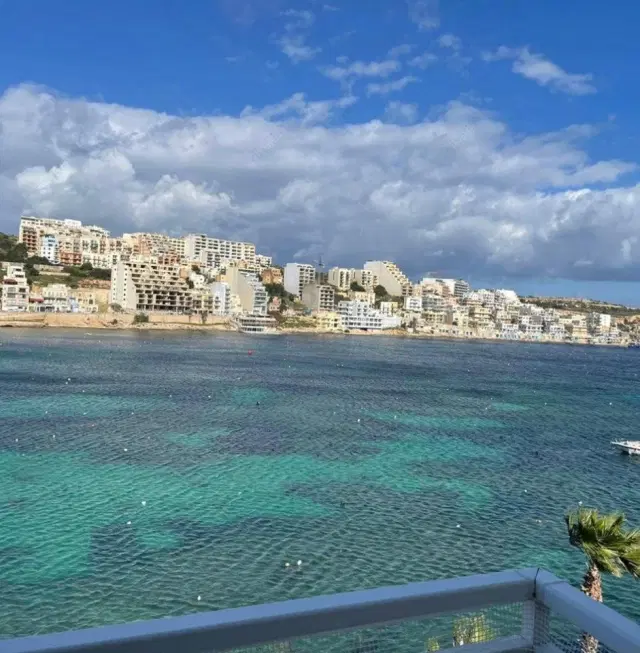
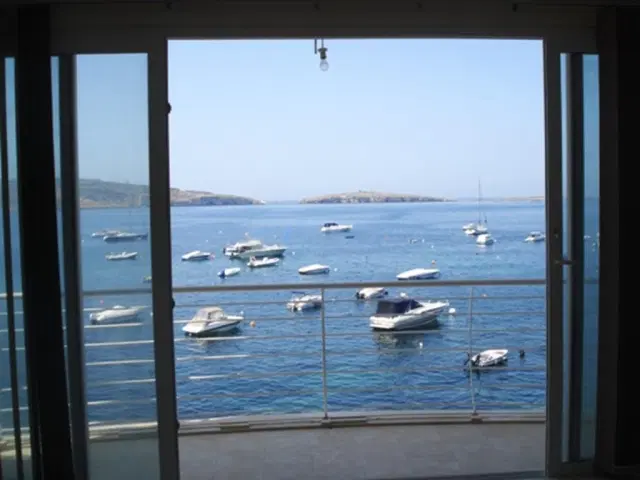
St. Paul's Bay, also known as San Pawl il-Baħar, is a town on Malta's northeast coast in the Northern Region. At the 2021 census, it was the country's most populated settlement. The locality covers 14.47 km2.
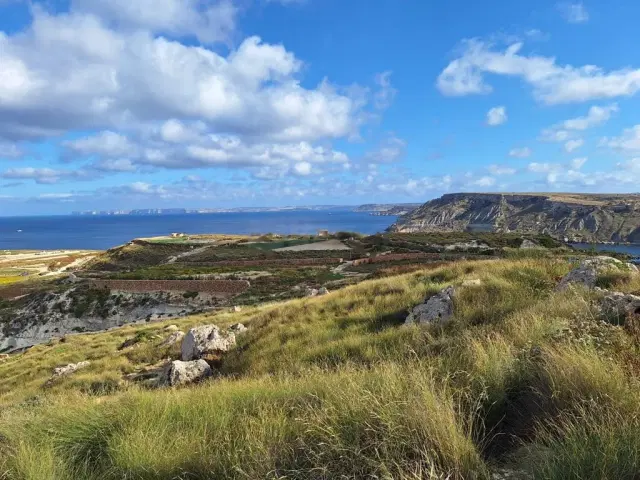
Its local council includes Burmarrad, Wardija, Qawra, Buġibba, Xemxija and San Martin, as well as parts of Bidnija and Mistra. Mistra Bay and St. Paul's Island lie to the north. Wardija Ridge lies to the west, across the island towards Ġnejna Bay and Golden Bay. The town is a major residential and commercial area, with shops, bars, restaurants and cafés.
Name and early remains
The name refers to the shipwreck of Saint Paul, which the Acts of the Apostles says took place on St. Paul's Islands near the bay during his voyage from Caesarea to Rome. The event is said to have laid the foundations of Christianity on the island.
Archaeological remains in the locality date back to around 4000 BC. They include the megalithic temples of Buġibba and Xemxija. Cart ruts have been found at Busewdien on Wardija Ridge, along with Punic tombs and other Bronze Age remains. In the Roman period, the bay became an important harbour. At Xemxija, remains include a Roman road, baths and beehives. Roman anchors have also been found on the seabed.
History
By the late Middle Ages, the area had been abandoned because of the danger of corsair raids. The local militia maintained several watch posts there. Ta' Tabibu farmhouse, one of these posts, survives and is considered the oldest building in St. Paul's Bay. A church building was also recorded when the Order of St John arrived in 1530.
The Order built several fortifications in the area. Wignacourt Tower, built in 1610, is Malta's oldest surviving watchtower. Grand Master Lascaris had Qawra Tower built in 1638. Batteries were built around the two towers in 1715, with two more batteries and a redoubt at other points along the coast. Arrias Battery is the only one of these coastal fortifications still standing. Dellia Battery and Perellos Redoubt were demolished in the 20th century.
The bay was one of the landing places during the French invasion of Malta in June 1798. After the Maltese uprising against the French, it became Malta's main harbour while the Grand Harbour and Marsamxett remained under French control. Several villas were built in the 19th century. During World War II, the British military requisitioned them, and the bay became a rest camp. After the Italian armistice of 1943, 76 ships of the Regia Marina were anchored there after surrendering to the British.
Development and activities
The area developed further after the war. St. Paul's Bay, Qawra, Buġibba, Xemxija and Burmarrad now form a large cluster of buildings. The area is also a popular entertainment spot.
Local sports clubs include Sirens F.C., a football club, and Sirens A.S.C., a waterpolo club. The Malta Young Sailors Club is a dinghy sailing club. St. Paul's Bay is twinned with Chaum in France, Agios Pavlos in Greece and Oroslavje in Croatia.