
Qormi can appeal to commercial property investors looking beyond Malta’s busiest waterfront districts. Its position within the island’s central network and its mix of established neighbourhoods and business premises may suit different types of occupier, but a promising address is not, by itself, a sound investment. The key is to match the property’s authorised use, physical layout and access to a tenant or business need you can verify.
Key takeaways
- Invest in a specific occupier need, not just a property type or an attractive asking price.
- Confirm the authorised use and any relevant permits before relying on a proposed business plan.
- Inspect access, loading, parking, services, layout and condition in person at different times.
- Model the full ownership costs and likely vacancy periods; do not treat advertised rent as guaranteed income.
- Ask a notary, architect, lawyer and accountant to advise on the transaction and your circumstances.
Why consider Qormi?
Qormi is an established town within Malta’s central area, with residential streets, local services and commercial activity. That combination can give an investor more than one potential occupier profile to investigate, from a local service business to a workshop, office or retail operator. The suitability of any individual property, however, depends on its exact street, planning status, access and surrounding uses.
For some businesses, being close to customers and other services matters more than a prominent destination address. For others, visibility, footfall, parking or the ability to receive goods may be essential. Qormi should therefore be assessed at street level rather than treated as one uniform commercial market.
Compare the subject property with current options and speak directly with people who understand the intended use. You can browse Qormi property and locality information, review the wider commercial property market, and use the relevant Qormi commercial listings as a starting point, not as proof of achievable rent or demand.
“A commercial property is only as useful as the business it can legally and practically accommodate. Test the proposed use before you commit to the building.”
NextHome Property Insights
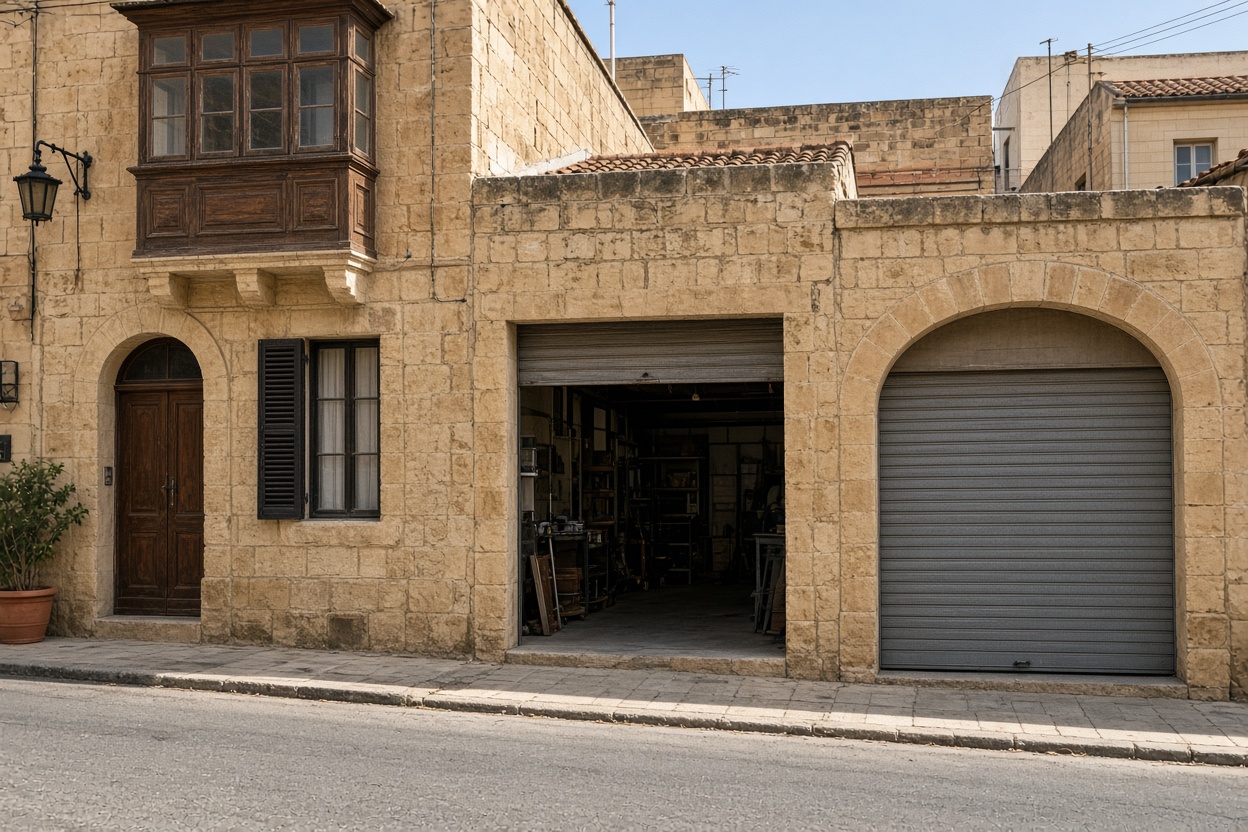
What kinds of commercial property can you assess?
Listings may describe premises as offices, shops, garages, warehouses or other commercial spaces. These labels are useful for discovery, but they do not replace checking the legal and planning position. A unit marketed as a shop, for example, may not automatically be suitable for every retail or food use.
Think about the fit between the property and the work that will happen inside it. A business that receives stock needs a workable route for deliveries; a customer-facing operation may need visibility and accessible entry; an office occupier may prioritise usable floor area, light, ventilation and reliable services.
| Property format | Potential occupier priorities | Questions for an investor |
|---|---|---|
| Shop or street-facing unit | Visibility, frontage, customer access and suitable services | Does the location suit the target customer, and is the intended activity permitted? |
| Office | Usable layout, connectivity, comfort and access for staff or clients | Can the floor plan function efficiently, and what upgrades are needed? |
| Workshop or storage space | Loading, clear internal space, power, security and vehicle access | Are access and building services adequate for the occupier’s operations? |
| Garage or ancillary premises | Appropriate access, secure use and clear rights over shared areas | What is the authorised use, and are title and access rights documented? |
These are broad categories, not a statement that every activity is allowed in every Qormi premises. Have the property’s specific status checked before you base an investment decision on a proposed tenant or conversion.
Start with the investment strategy
Before viewing properties, write down what you want the investment to do. You might be seeking a premises to let to a defined business type, a unit to occupy in your own company, or a property whose layout could serve more than one lawful use. Each strategy changes the questions you should ask and the amount of flexibility you need.
Set your non-negotiables
- Occupier: Identify the type of business you believe could use the space, and what evidence supports that view.
- Use: Describe the activity in practical terms, including customers, staff, deliveries, equipment and operating hours.
- Space: Decide which areas must be usable and which could require adaptation.
- Exit: Consider whether the premises could appeal to other occupiers if your first plan changes.
- Time: Allow for searches, professional checks, works, marketing and possible periods without a tenant.
A unit designed around one very specific operation may work well for that occupier but be difficult to re-let if the business leaves. Flexibility can be valuable, but only where alternative uses are lawful, physically achievable and supported by demand.
Write a one-paragraph occupier profile before you search. Include the business activity, access needs and essential services, then use it to reject properties that look appealing but do not fit the actual brief.
Assess the location and access
Walk the surrounding streets and assess the premises as an operator would. Visit at different times, including a normal working period, and note how people and vehicles move. A map can show distance; it cannot tell you whether turning, stopping, carrying goods or finding the entrance is straightforward in practice.
Check the relationship between the unit and its neighbours. Nearby homes, other businesses, shared entrances and narrow streets can affect deliveries, noise, customer activity and operating hours. Ask whether access is private or shared and whether any use depends on rights over a common area.
On-site inspection checklist
- Can a customer, employee or delivery driver identify and reach the entrance easily?
- Is there a practical place to load or unload, and are any restrictions clear?
- What parking or public transport options are available nearby for the intended users?
- Are there steps, level changes or other barriers that affect access?
- Does the unit have enough natural light, ventilation and usable internal space?
- Are neighbouring uses compatible with the business activity under consideration?
- Can you identify signs of damp, cracking, roof problems or poor maintenance?
- Are electricity, water, drainage and other required services present and in suitable condition?
“Visit at the times your future occupier would work. Access, noise and the feel of a street can change considerably between a quiet viewing and an ordinary business day.”
The NextHome Team
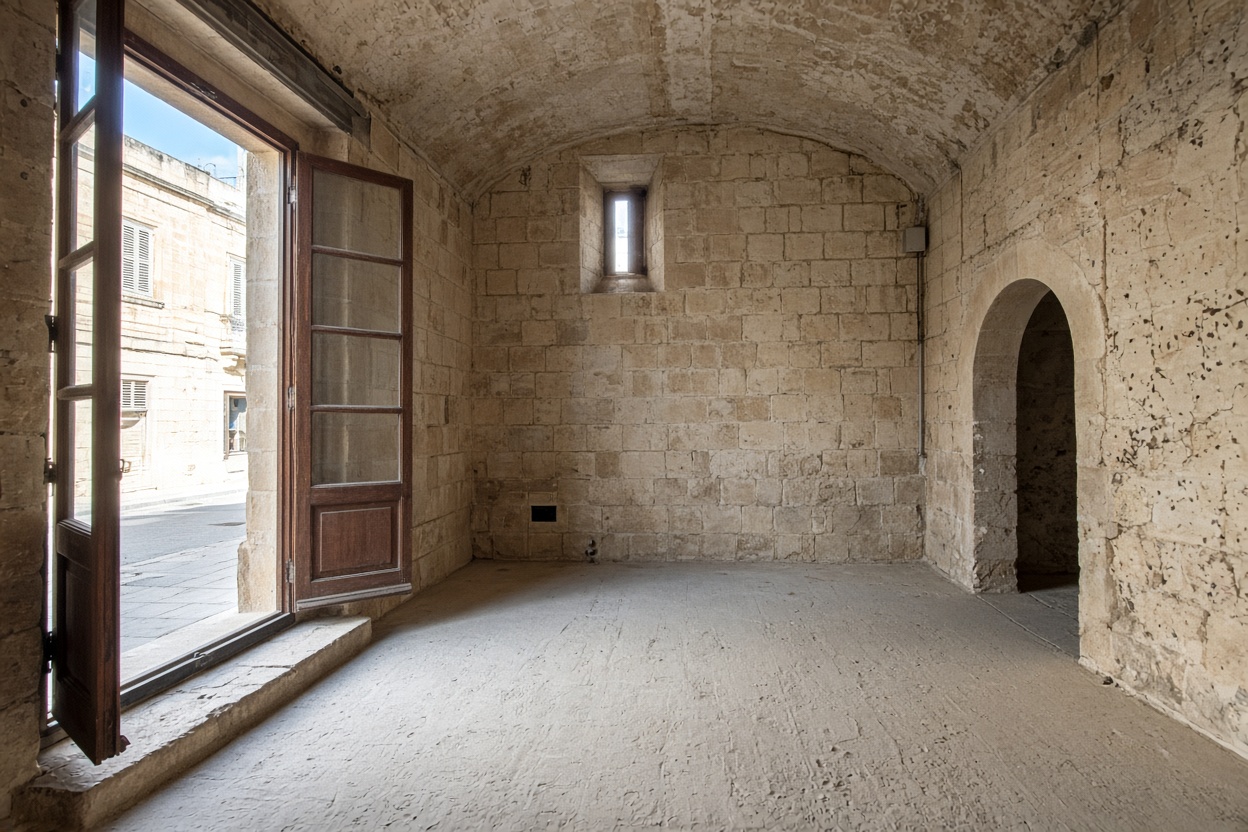
Check planning, permitted use and compliance
Do not assume that a property’s current appearance, a previous tenant’s business or the wording in an advertisement confirms what can lawfully operate there. The property may have permissions or conditions that affect its use, alterations, signage, hours or occupation. Proposed changes may require further approval.
Ask an architect or other suitably qualified professional to review the property’s planning history and the proposed activity. Where relevant, check building documentation, permits, completion status and any conditions that apply. Verify the position with the appropriate authority rather than relying on a verbal assurance from a seller or agent.
Also ask your notary or lawyer to investigate title, boundaries, ownership, access rights, leases, servitudes and any other matters affecting the property. If the premises are part of a larger building, understand responsibility for shared areas and building maintenance before you commit.
If your expected return depends on changing the use or layout, treat approval as uncertain until your professional adviser has investigated it. Do not sign on the assumption that permission will be granted or that proposed works are straightforward.
This is general information, not legal, planning or investment advice. Rules and requirements depend on the property and the intended activity. Confirm the current position with the Planning Authority and take advice from an architect, notary or lawyer who has reviewed the specific premises.
Build a complete cost and income picture
Commercial property returns can look attractive when judged only against a possible rent. A more useful assessment accounts for acquisition costs, professional fees, repairs, fit-out, ongoing obligations, vacancy and the time required to secure a suitable tenant. The final figures depend on the transaction and should be checked with your advisers.
| Budget item | What to investigate | Who can help confirm it |
|---|---|---|
| Purchase and transaction | Price, applicable taxes and duties, notarial and registration costs, and other transaction expenses | Notary and accountant |
| Professional checks | Title review, architectural inspection, planning research and any specialist reports | Notary, architect and relevant specialists |
| Repairs and fit-out | Immediate works, business-specific adaptation, approvals and contingency for unknowns | Architect and contractors |
| Ownership and operation | Insurance, maintenance, utilities during vacancy and any shared-building responsibilities | Insurer, property manager and relevant professionals |
| Letting and vacancy | Marketing, agent or legal costs where applicable, time between occupiers and tenant incentives | Letting agent, lawyer and accountant |
Build a cautious scenario rather than relying on the best possible outcome. Consider what happens if the unit takes longer to let, the agreed rent is lower than expected, or essential works cost more than the initial estimate. Stress-testing the plan helps show whether you have enough financial room to hold the property through setbacks.
Use comparable properties as context, not as a guarantee. Asking rents are not necessarily achieved rents, and properties with different permitted uses, condition or access may not be true comparisons. For live options, review commercial property for rent in Qormi and ask local professionals about the assumptions behind your proposed rent and tenant profile.
A headline rent does not account for vacancy, repairs, insurance, management, taxes or finance costs. Ask an accountant to help model cash flow and tax treatment for your own ownership structure and circumstances.
A practical due-diligence process
Commercial purchases often involve several parallel checks. Use a written record of what has been requested, who is responsible and what remains unresolved. Do not let a viewing, informal discussion or draft business plan substitute for documentary verification.
- Write the brief. Set the intended occupier, activity, essential access and service requirements, budget and acceptable level of work.
- Compare the market. Look at available commercial premises and relevant Qormi options. Ask agents about the basis for any rent or demand estimate.
- Inspect the property. Visit the premises, surrounding streets and shared areas. Take notes and record questions for follow-up.
- Commission professional checks. Ask an architect to assess condition and planning matters, and a notary or lawyer to review title and transaction documentation.
- Check the proposed use. Verify the planning and compliance position for the actual business activity, not merely a broad property label.
- Prepare the financial model. Include purchase, advice, works, holding costs, vacancy and a cautious income case. Confirm taxes and finance terms with qualified advisers.
- Make the decision with conditions understood. Before signing or paying, ensure you understand the agreement, deadlines, obligations and any conditions. Get independent advice on the documents.
Keep copies of plans, permits, contracts, correspondence and inspection findings together. If an answer is important to the investment case, ask for it in writing and have the relevant professional explain what it does and does not confirm.
Manage the risks after purchase
Buying the premises is only one part of commercial property ownership. A clear plan for tenant selection, maintenance, insurance, communication and record-keeping can help protect the asset and reduce avoidable disruption. If you intend to let the unit, understand the relevant lease requirements and responsibilities before agreeing terms.
For a potential tenant, assess the proposed activity, the fit-out requested and the practical ability to meet lease obligations. A lawyer can help prepare or review the lease and explain matters such as permitted use, repairs, alterations, insurance, assignment, renewal and termination. The terms should reflect the property and the parties’ agreement rather than relying on a generic template.
Plan for maintenance from the outset. Check the condition of the structure and services, decide how repairs will be reported, and clarify responsibility for shared spaces. Keep a reserve for unexpected work and consider how a period without rent would affect your finances.
Finally, maintain a realistic exit plan. A future sale may depend on the property’s condition, documentation, lease status and broader market conditions. Keep records current and avoid unauthorised alterations that could complicate a later transaction.
Frequently asked questions
Is Qormi suitable for a commercial property investment?
It may suit some investment strategies, but suitability depends on the exact property, authorised use, access, condition and occupier demand. Assess the premises and its street individually, then verify the assumptions with local professionals.
What types of commercial property are available in Qormi?
Commercial listings can include shops, offices, garages, storage or workshop-style premises and other business spaces. Listing descriptions are not proof of permitted use, so confirm the status and suitability of each property before making an offer.
Can I change a commercial property’s use after buying it?
That depends on the property’s planning position, the proposed activity and any approvals or conditions that apply. Ask an architect to investigate the specific case and confirm requirements with the relevant authority before budgeting for a change.
What costs should I include in my investment budget?
Consider transaction and professional costs, inspections, repairs, fit-out, insurance, maintenance, shared-building obligations and possible vacancy. Taxes, duties and finance costs depend on your circumstances; confirm them with a notary, accountant and bank.
How do I estimate the rent a Qormi commercial unit could achieve?
Use comparable premises as context, but check differences in location, permitted use, condition, size and access. Advertised rents are not guaranteed outcomes. Ask local agents and an accountant to review realistic income and vacancy assumptions.
Should I buy a unit before finding a tenant?
That is a risk decision, not a rule. Consider whether you can afford the property during a vacancy, how widely the unit could appeal, and whether the intended use and any required works have been verified. Seek independent financial and legal advice.
Explore commercial property in Qormi
A well-considered Qormi investment starts with a clear occupier case, careful checks and conservative financial assumptions. Take time to confirm what the premises can be used for, what it will cost to make ready and whether the location works for the businesses you hope to attract. NextHome can help you compare available options as you narrow your search.
Find commercial property in Qormi
Browse commercial listings and explore the Qormi market to identify premises worth investigating. Always verify availability, permitted use, costs and property details with the relevant professionals before making a decision.